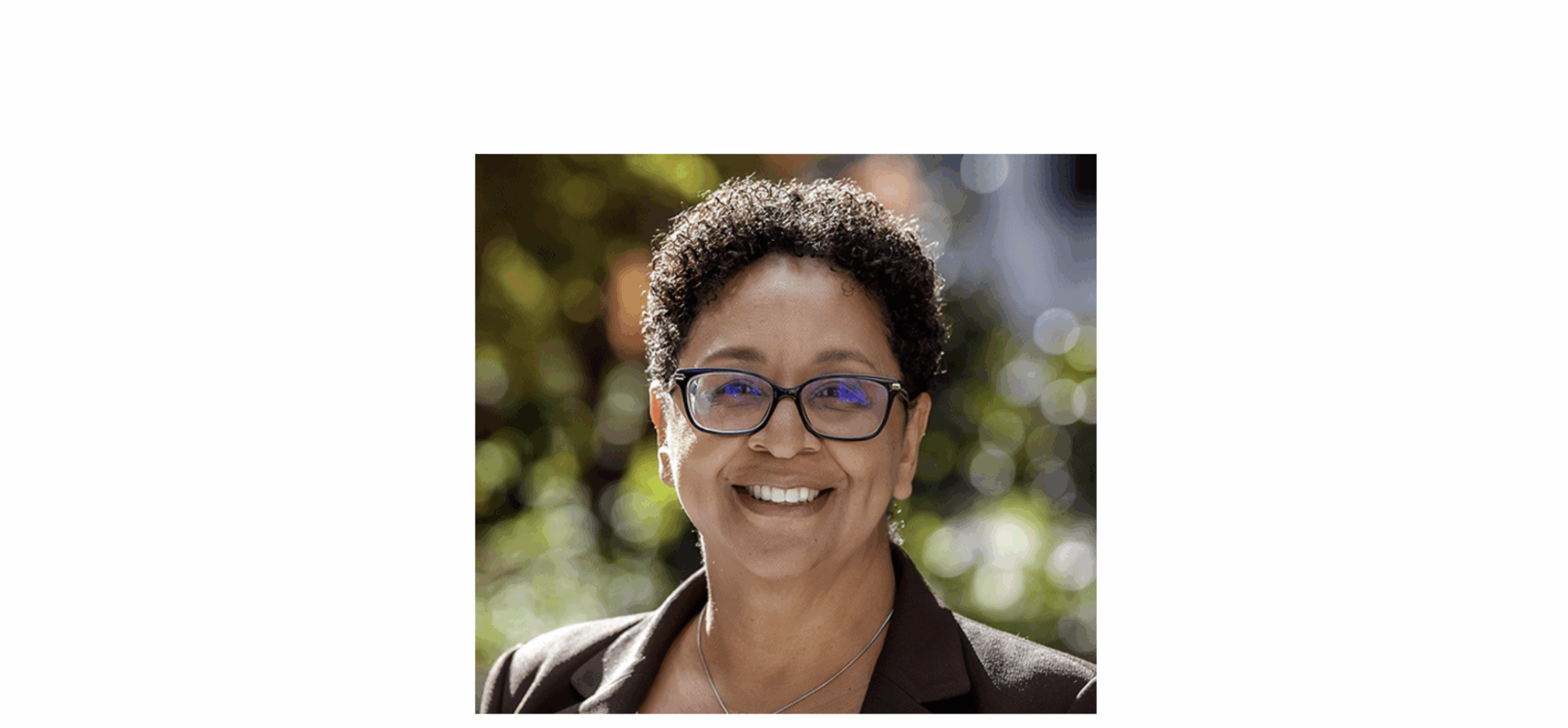




An interview with Marion Harris, Community Health Nurse and Educator, WISDOM Study Advisor
Marion became a nurse at 18, long before she knew how profoundly her career—and her courage—would shape the lives of others. What pushed her toward nursing wasn’t a lifelong plan but a summer spent working in a sweltering glass factory in Tampa, Florida. “It only took me half the summer to realize I was not a lifetime factory worker,” she recalls. Her grandmother nudged her toward the field, recognizing her compassion and strength long before she recognized it in herself.
She enrolled in community college, earned her bachelor’s degree, and—decades later, in her 50s—returned for dual master’s degrees in nursing and education. “I loved nursing,” she said simply. Her passion for caring for others never wavered. But it was breast cancer—twice—that redirected her life’s purpose.
A Young Woman, Unheard
Marion’s path with breast cancer began unusually early. At 17, she had a lump removed with little explanation offered. At 28, she found another mass—and this time, she trusted her instincts. But getting her concerns taken seriously proved to be a battle.
For three years she pushed for a biopsy. “I just felt off-center,” she said. “I knew something wasn’t right.” Yet her doctor dismissed her concerns, calling her dramatic, telling her she was “too young” for a mammogram.
When he finally agreed to a biopsy—“so you can stop bugging me”—Marion woke up not in an outpatient clinic, but in a hospital bed. Seconds into consciousness, she knew what that meant.
Late that night the doctor confirmed it: breast cancer.
When she asked about her options, the surgeon recommended a modified radical mastectomy—because he had “good success with it”—and discouraged her request for a bilateral procedure. “There you go again being hysterical,” he said, insisting she shouldn’t have breast cancer at all based on her lifestyle.
She was given no time for a second opinion. Surgery was scheduled for the next morning.
“Even though I was a nurse, I had never seen a woman with breast cancer who wasn’t stage 4,” she said. “So I said okay—let’s get it done.”
Surviving, Then Fighting Forward
Marion’s mastectomy left her with a long vertical scar from armpit to chest wall—a reminder of an era when treatment decisions lacked sensitivity, options, and collaboration.
But she had children to raise and a life to restructure. “My breasts were the least of my concern,” she said. “I was fighting for my life.”
Information she needed didn’t come from her surgeon—it came from her colleagues, who quietly helped her access her pathology results. “I found out I didn’t have metastatic disease through my own network,” she said. “Not from my doctor.”
This was the moment Marion became the advocate she needed. “I was getting second opinions before anyone thought about second opinions.”
Years later, after moving to California, a new mass appeared only two months after a mammogram. Her oncologist listened, acted quickly, and confirmed recurrence. She underwent her second mastectomy and chemotherapy.
The Turning Point: Understanding Her Genetics
In her 50s, Marion began hearing about genetic testing. Again, she asked her doctor for it. Again, she was dismissed.
“He told me it wasn’t necessary.”
So she marched to her oncologist’s office. “Hey Peggy,” she told the nurse she trusted. “I hear there’s gene testing available. Can I talk to the doctor about it?”
This time, she was heard. Genetic testing revealed she carried a BRCA2 mutation—information that explained her early cancers and empowered her to advocate for the preventive surgeries she needed.
Her gynecologist insisted her uterus was “perfect” and unnecessary to remove, even with her mutation. But she persisted and ultimately underwent a hysterectomy and oophorectomy.
“He came to my bedside and said, ‘It’s a beautiful uterus,’” she recalls. Her response: “I’m glad to hear that. Give it to someone who needs it—because it’s death to me.”
From Patient to Advocate
Marion’s advocacy began almost immediately after her first cancer diagnosis. The American Cancer Society sent her a Reach to Recovery volunteer—an elderly white woman whose kind words couldn’t touch the unique fears of a 31-year-old Black single mother facing a life-altering diagnosis.
“I appreciated her,” she said, “but she couldn’t understand my life. I knew other women like me had to be out there.”
So Marion became a volunteer herself—then a leader, mentor, and force for change. She served in Reach to Recovery, Look Good Feel Better, chaired Relay for Life events, and led East Bay fundraising efforts. She trained more than 200 nurses as a faith community nurse, bringing culturally grounded health education to churches across the Bay Area.
“Breast cancer gave me my life,” she said. “It taught me what’s important—being present for my family, my community, and giving more than I take.”
Why Marion Believes in WISDOM
When Marion learned about the WISDOM Study, she recognized something she’d rarely experienced: women being offered information before disease, and being given a say in their care.
“I think it’s potentially lifesaving,” she said.
———————
Marions story is one of courage and self-advocacy. Many of the trials she went through were a product of poor communication within her hospitals, and policies that have since been improved through work by woman advocates such as Marion, and we thank her for her work and her priceless service.
Mastectomies have a long history of leaving woman feeling violated or unfit, but the process has been improved over decades of practice and research. Make sure to talk to your doctor about your expectations for the outcomes of a mastectomy or lumpectomy to ensure that you remain comfortable with your body.
If you feel like you are not receiving the proper care or communication from your doctor, self-advocate by talking to your hospitals social workers, by reaching out to breast cancer support and advocacy groups (link to https://www.cancer.org/treatment/support-programs-and-services.html), or by calling the 24/7 Cancer Support Hotline managed by the American Cancer Society at 1-800-227-2345.
We thank Marion for her participation in WISDOM, her bravery, and her willingness to share her story publicly. The Women of WISDOM are who make this study possible. We appreciate hearing stories about your experiences in WISDOM, learning what things have been meaningful and what may need improving. This is what helps drive us forward to continue with our mission, through the good times and the bad. If you would like to share your story and be featured in our Women of WISDOM blog series, please send an email to wisdomcommunity@ucsf.edu