


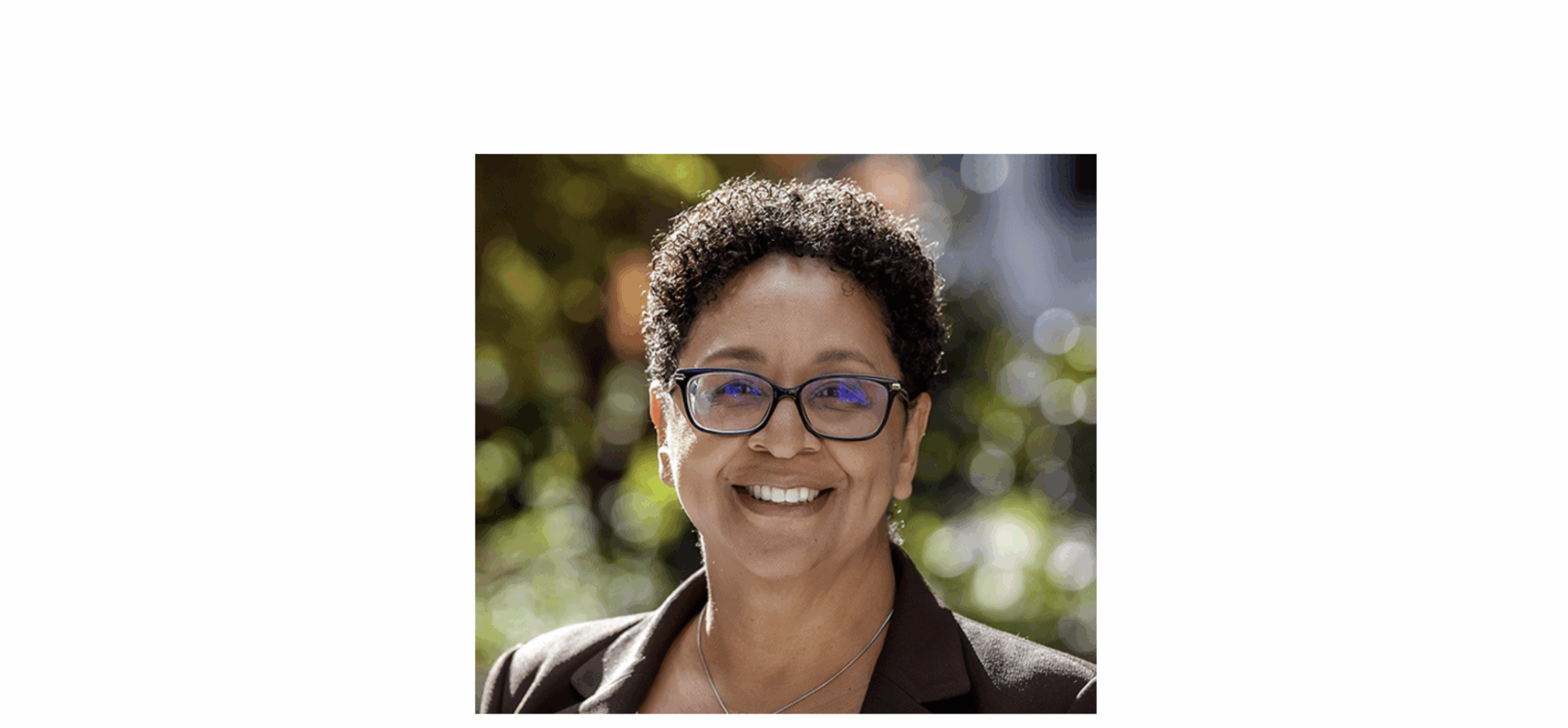
An interview with Dr. Yvette Gullatt, WISDOM Participant & Vice President for Graduate and Undergraduate Affairs, Vice Provost for Equity, Diversity and Inclusion, and Chief Diversity Officer – University of California System
As Vice President for Graduate and Undergraduate Affairs and Vice Provost for Equity, Diversity, and Inclusion for the University of California system, Dr. Yvette Gullat spends her days focused on fairness, access, and opportunity. But when a colleague posted about the WISDOM Study on Facebook, the invitation struck her on a personal level.
Breast cancer was not something she had grown up fearing. There was no strong family history, no generational pattern. But she was acutely aware of a painful truth: Black women are more likely to die from breast cancer, often because of later-stage diagnoses, structural barriers, and inequities in screening and treatment.
“When I hear that a Black woman has breast cancer, there’s a different sinking feeling in my stomach about what the prognosis will be,” she shared. “I know it’s not universally true, but it feels different.”
So when she saw the post encouraging participation, she thought, Why not?
“What harm could be done?” she said. “And if I could learn something about myself in the process, even better.”
A First Encounter With Personalized Screening
She remembers the process clearly: the saliva sample, the follow-up, the personalized recommendation. Before joining WISDOM, she had been consistent about mammograms—especially after turning 50. Though her doctor told her she could now screen every two years, she chose to go annually.
“In my mind, I’m thinking Black women get breast cancer worse, so I’m going to do it every year.”
Her WISDOM screening recommendation aligned with national guidelines—every two years. But she still chooses yearly mammograms.
“Because I can,” she said simply.
Part of that choice comes from receiving consistent notices about her dense breast tissue. Another part comes from something deeper: an awareness of how medical racism shapes care, communication, and trust.
“When we think of medical racism, we think of neglect, people not being heard, babies dying, pain being dismissed. So even though I’m a researcher and I trust medicine in the abstract, I approach my own health differently. If they say something is the minimum, I’m going to do more.”
Why the Annual Questionnaires Matter
Surprisingly, one of her favorite parts of the study is the annual questionnaire.
“I actually find the questionnaires wonderful,” she said. “We don’t always think about our health holistically. The questionnaire prompts me to look at the behaviors that might affect breast cancer risk.”
She laughs when she admits: “I stand up straighter. I eat more vegetables. It’s a reminder—like someone is paying attention.”
The simple act of reflecting on her sleep, stress, and emotional well-being has helped her take better care of herself overall.
“What I’ve learned from this study is to take better care of myself generally. These kinds of things are good reminders.”
Why She Stays in the Study
Remaining in the WISDOM Study was an easy decision.
“It’s one of the easiest things I do,” she said. “I see no reason to step away.”
Beyond personal benefit, she sees her participation as a contribution to something larger—something urgently needed.
“There isn’t enough data in clinical studies on Black people. It impacts the care we get and how decisions are made. Participating in studies like WISDOM helps researchers understand our risks, our needs, and our outcomes.”
Her Message to Women—Especially Black Women—Considering WISDOM
Her advice is straightforward and powerful:
“Anything you can learn about your health is beneficial. You’re going to get screened anyway—so why not participate and make it better for yourself?”
But she also speaks directly to the broader impact:
“You’ll be helping the community of women—and Black women in particular—understand and manage their risks. There isn’t enough data on us. We change that by participating.”
For her, WISDOM is not just a study. It’s a tool for self-awareness, a resource for prevention, and a way to push for equity in the medical system—one woman, one saliva kit, one data point at a time.